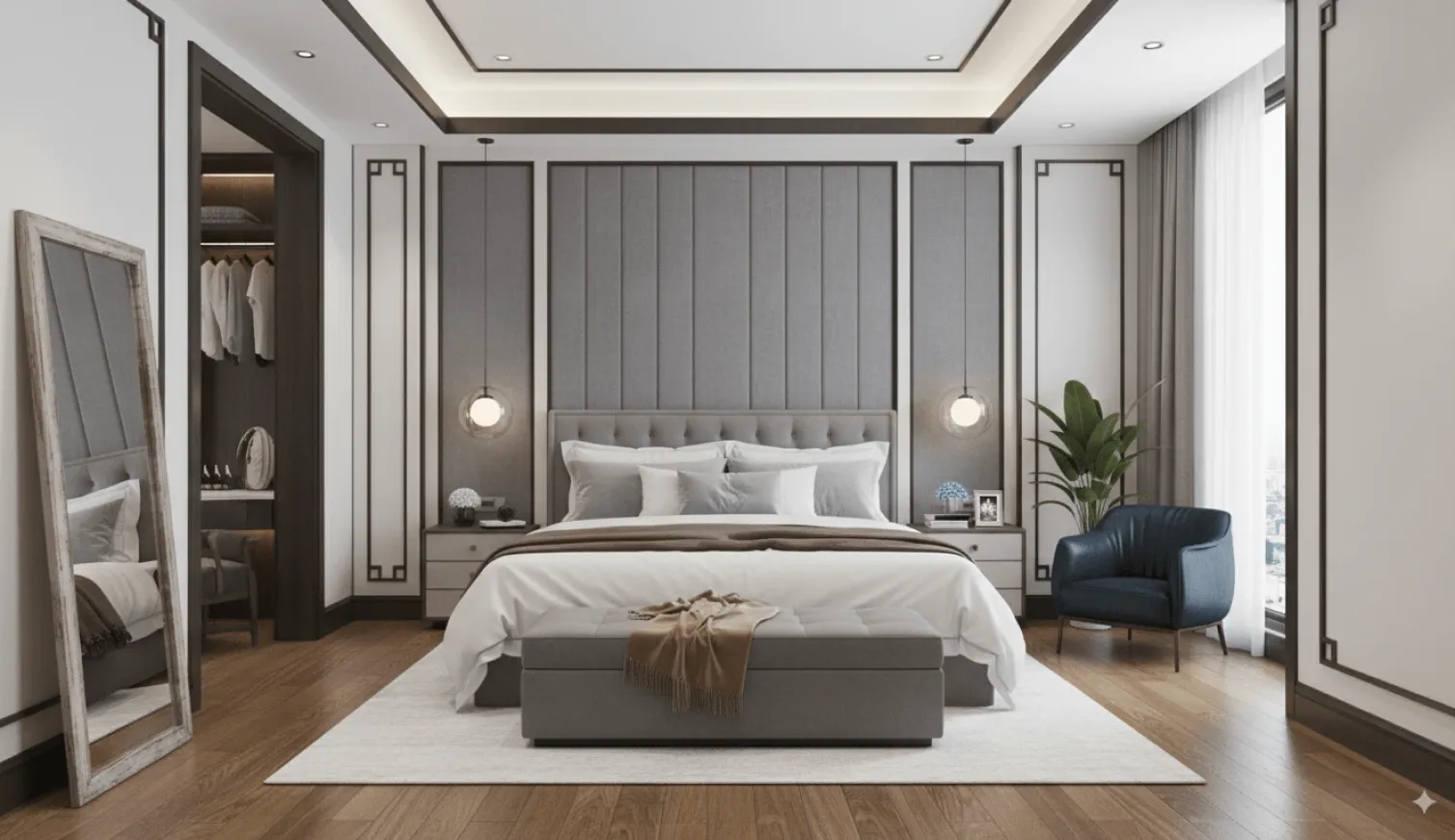
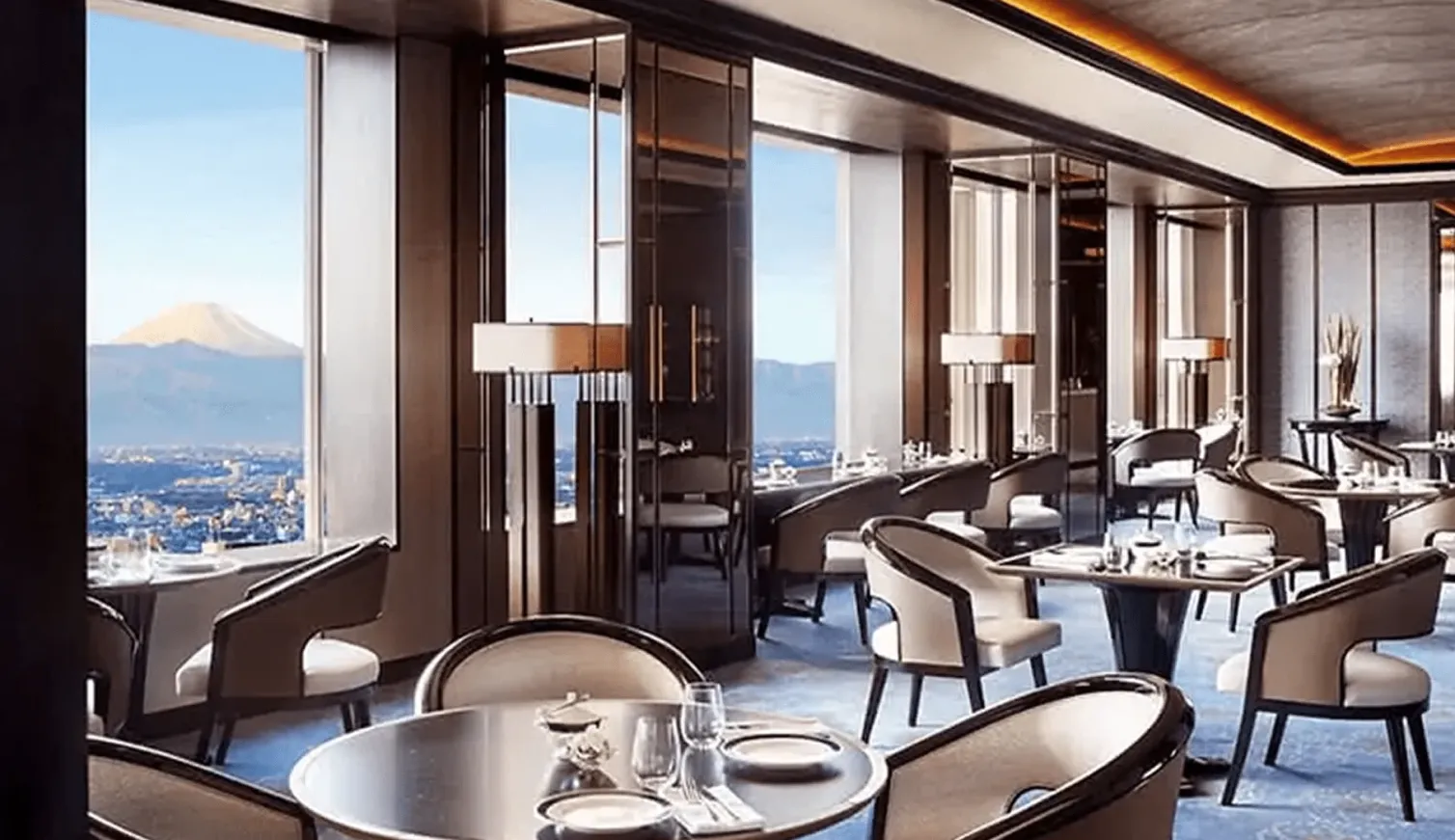
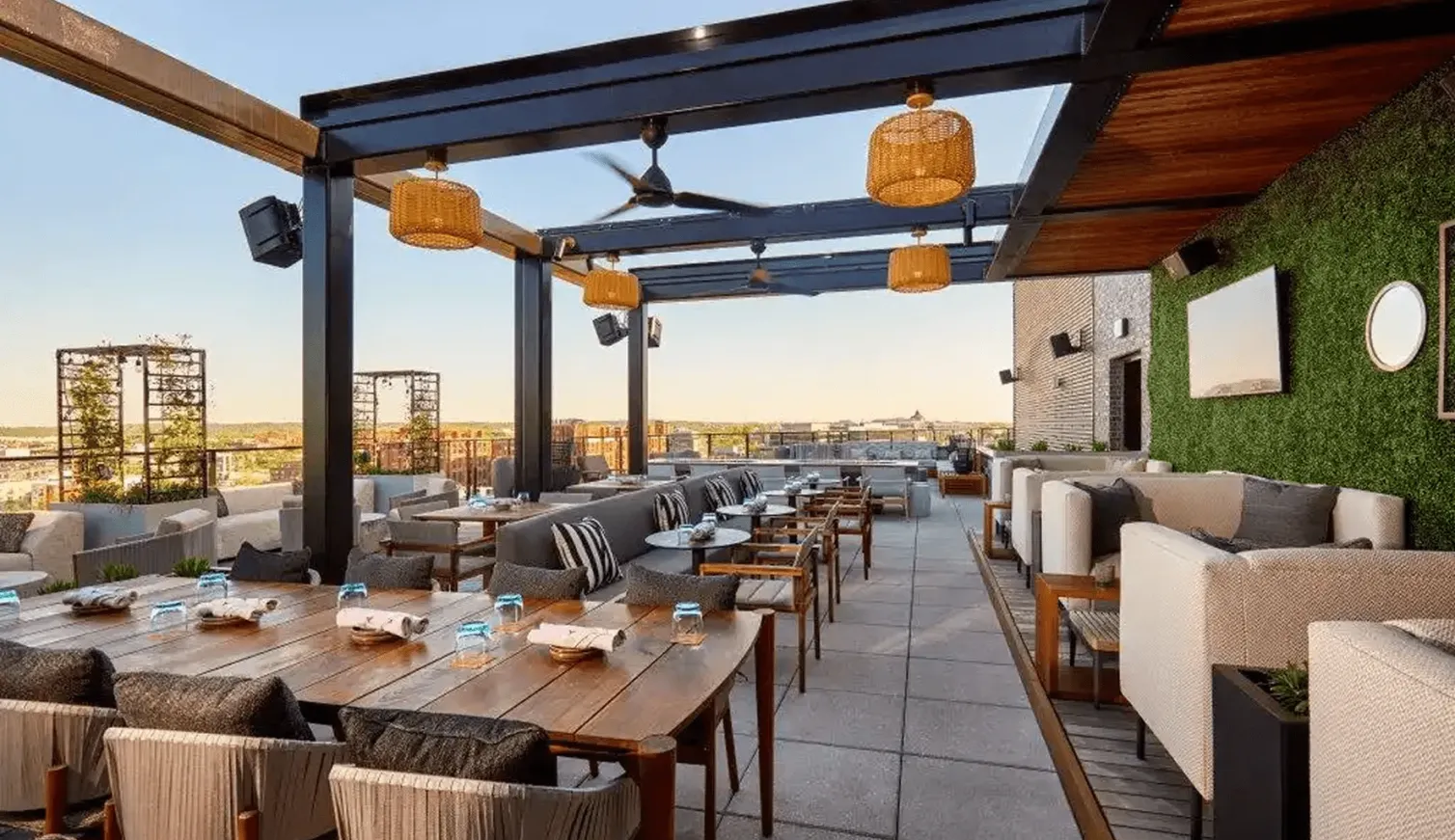
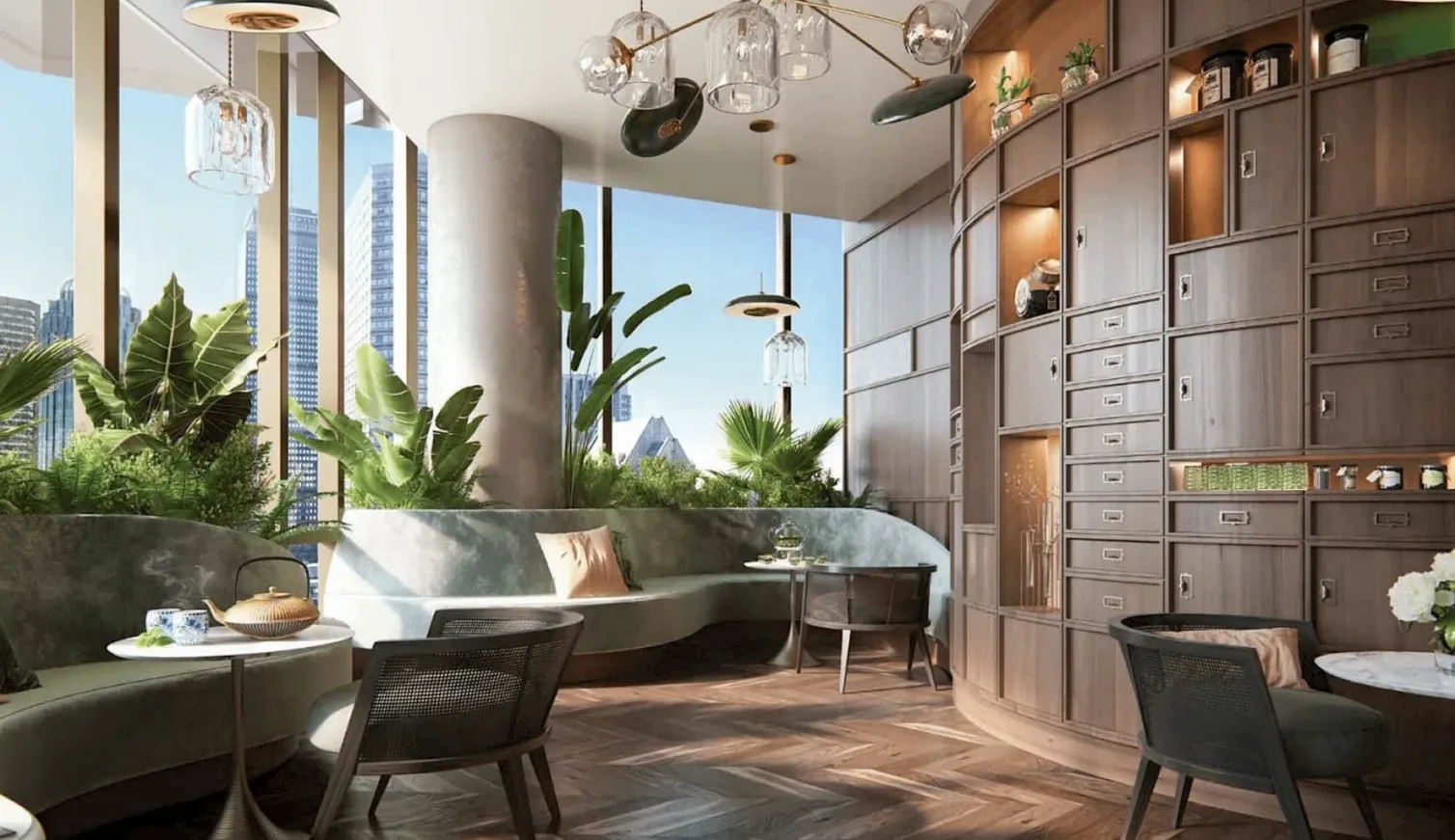
Objective: To efficiently source high-quality materials while maintaining cost, sustainability, and performance standards. Optura Global merges industry expertise, financial precision, and advanced technology to streamline procurement. Driven by data and real-time insights, we manage the entire process — from planning and purchasing to shipping and handover — ensuring efficient, transparent, and design-forward solutions.
Process:
- Assessment: Review project requirements and identify material needs.
- Supplier Selection: Evaluate global suppliers based on quality, cost, and sustainability.
- Procurement: Source materials with data-driven insights, focusing on long-term performance.
- Logistics: Manage supply chain for timely delivery and quality assurance.
- Continuous Improvement: Adapt sourcing strategies based on market trends and feedback.
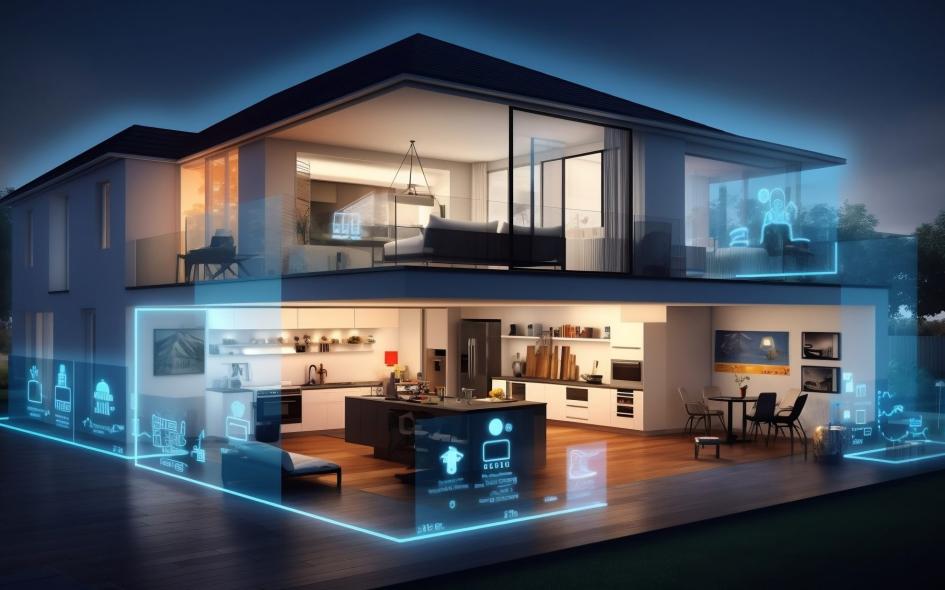
Objective: To optimise procurement by integrating real-time data into the BIM process. We harness the power of BIM technology to provide real-time procurement analytics, offering instant insights into costs, quantities, and material specifications. This data-driven approach streamlines decision-making, ensuring every purchase aligns with design intent, budget constraints, and project timelines — enhancing accuracy, efficiency, and transparency throughout the procurement process.
Process:
- BIM Integration: Link procurement data directly to the BIM system for real-time updates.
- Material Updates: Update specifications and costs in the BIM as the design evolves.
- Cost Analysis: Monitor costs and lead times in real-time to predict and address procurement issues.
- Collaboration: Coordinate across teams to align procurement with design and project goals.
- Monitoring: Continuously track and adjust procurement data within the BIM system.
Objective: To enhance project efficiency and decision-making through AI technology We drive AI strategic decisions to deliver tailored project outcomes, spanning new builds, refurbishments, renovations, and fit-outs. Specialising in residential, hospitality, commercial, and entertainment sectors, we simplify the development process with AI. Our end-to-end turnkey AI service covers every stage — from concept and planning to procurement, delivery, and installation — ensuring efficiency and excellence.
Process:
- AI-Driven Design: Utilise AI to generate design solutions based on client needs and constraints.
- Predictive Analytics: Use AI to forecast risks, delays, and cost overruns.
- Automation: Streamline tasks like scheduling and material selection with AI.
- Collaboration: Integrate AI tools with BIM and project management platforms for consistent data.
- Continuous Learning: Specific data analytics improves over time, learning from past inputs to optimise future solutions
Objective: To use BIM for creating and refining concept designs based on real-time data and analysis. We craft innovative concept designs for retail and F&B spaces, leveraging BIM technology to merge creativity with precision. Our data-driven approach streamlines design validation optimises space planning and ensures seamless integration of brand identity — from initial concepts to detailed 3D models — delivering functional, visually striking environments
Process:
- Conceptualization: Create initial 3D models in BIM based on client requirements.
- Design Iteration: Use real-time analysis to refine design for functionality and efficiency.
- Collaboration: Integrate input from architects, engineers, and designers within BIM.
- Decision Making: Use BIM insights on cost, sustainability, and space optimization.
- Final Validation: Review and refine design in BIM before construction begins.
Objective: To provide immersive, virtual environments for design validation and client collaboration. At Optura, we use the Metaverse to create immersive virtual environments, allowing clients to explore designs before construction. This technology enables real-time collaboration, design testing, and immediate adjustments. It helps validate spatial dynamics, lighting, and acoustics, optimising the design process. By integrating Metaverse insights with our BIM-driven approach, we ensure projects are visually and functionally refined to meet client needs.
Process:
- Create 3D Model: Build a virtual environment using Metaverse tools.
- Virtual Exploration: Clients interact with designs in an immersive, virtual space.
- Collaborate: Conduct virtual meetings to gather feedback and adjust designs in real time.
- Test Design Elements: Use the Metaverse to test elements like lighting, acoustics, and flow.
- Integrate with BIM: Transfer insights from the Metaverse experience directly into the BIM for final design execution.